


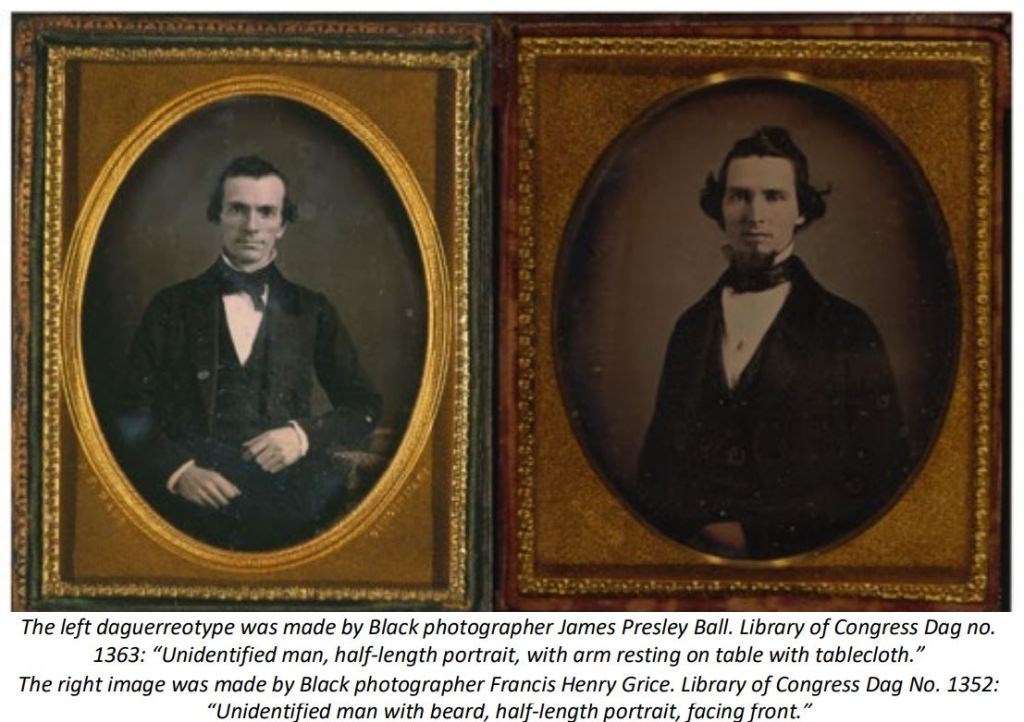


For the back story, please see: Francis Henry Grice’s Daguerrean Views – Rod’s Ramblings and Ruminations (genevanotes.com)


Come, Come, Ye Saints (churchofjesuschrist.org)
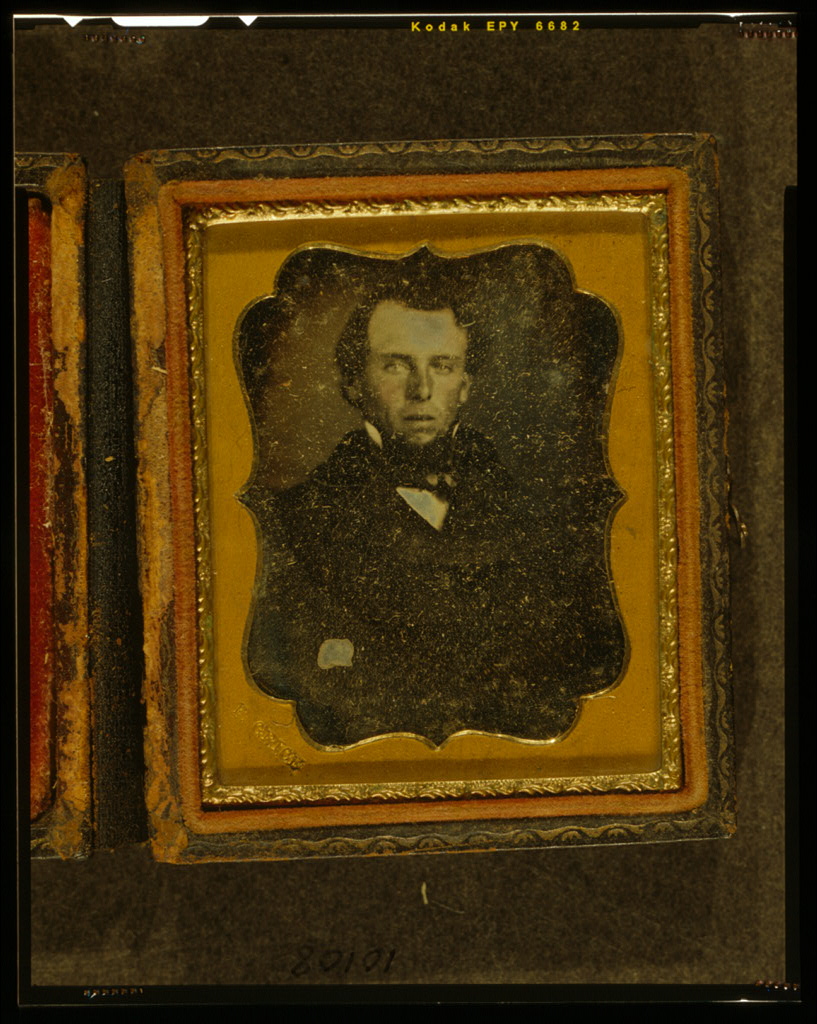


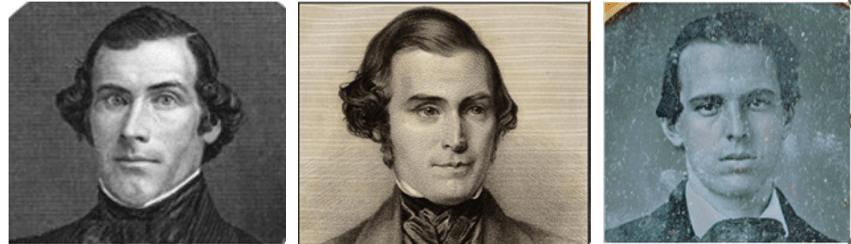
Frederick Piercy, artist and engraver, departed aboard Jersey from Liverpool on February 5, 1853, with a party of about 300 other Mormon immigrants. They were bound for the port of New Orleans, and eventually to Salt Lake City via St. Louis. He accompanied the Miller-Cooley Company to Salt Lake City later in 1853. This journey resulted in the publication of the illustrated travel book, “Route from Liverpool to Great Salt Lake Valley”. The multivolume book was purchased by the Mormon Church, but a dispute over the offering price led to an estrangement between Piercy and both the Church and Pratt.
Frederick Piercy, Route from Liverpool to Great Salt Lake Valley: illustrated with steel engravings and woodcuts from sketches made by Frederick Piercy . . . : together with a geographical and historical description of Utah, and a map of the overland routes to that territory from the Missouri River: also an authentic history of the Latter-Day Saints’ emigration from Europe from the commencement up to the close of 1855, with statistics, ed. James Linforth (Liverpool published by Franklin D. Richards; London: Latter-Day Saints’ Book Depot,
1855).
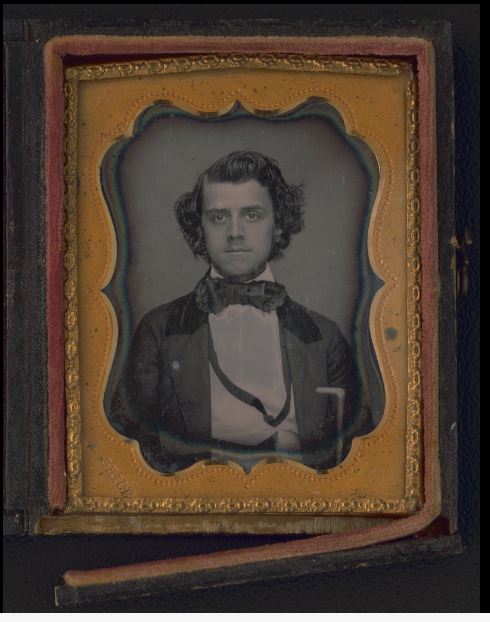
So, Piercy and Orson Pratt had a troubled relationship, as was the relationship between Pratt and Brigham Young. THE ORSON PRATT-BRIGHAM YOUNG CONTROVERSIES: CONFLICT WITHIN THE QUORUMS, 1853 TO 1868 on JSTOR The dates of the engravings above are taken from the Joseph Smith Papers entry. But a more detailed description of Piercy’s relationship with the Mormans is given by Chatterley (see: https://ensignpeakfoundation.org/wp-content/uploads/2013/04/MHS_Fall2003_Frederick-Piercy.pdf ). Pratt presided over the Mormon Church in Great Britain, 1848–1849, 1856–1857. (England, Breck. The Life and Thought of Orson Pratt. Salt Lake City: University of Utah Press, 1985.) Chatterley gives an 1849 date for the stippled left engraving, meaning it was executed in Great Britain if done from life. The raised left eyebrow (actually right, as the Daguerreotype is a mirrored image) mimics the Grice Daguerreotype, suggesting that both engravings were done from Daguerreotypes. Piercy did many Morman engravings. In 1853, the Church also published an engraving Piercy made that is a composite of portraits of the General Authorities of the Church, based on daguerreotypes made in Salt Lake City. (See Fairbanks, Jonathan, “The Great Platte River Trail in 1853).


Distortion in data selection can be purposeful when the practice is deemed “cherry-picking,” or distortion can come from well-meaning but misguided attempts at objectivity. Of the various cognitive forms of bias, apophenia (the human tendency to perceive meaningful patterns within random data) is both the most euphonious and most ubiquitous in both history and medicine. A medical mentor was heard to mutter when a colleague supported his own strong opinion by citing his long experience: “You have repeatedly made the same mistake for 40 years and now dignify it as experience.”[1]
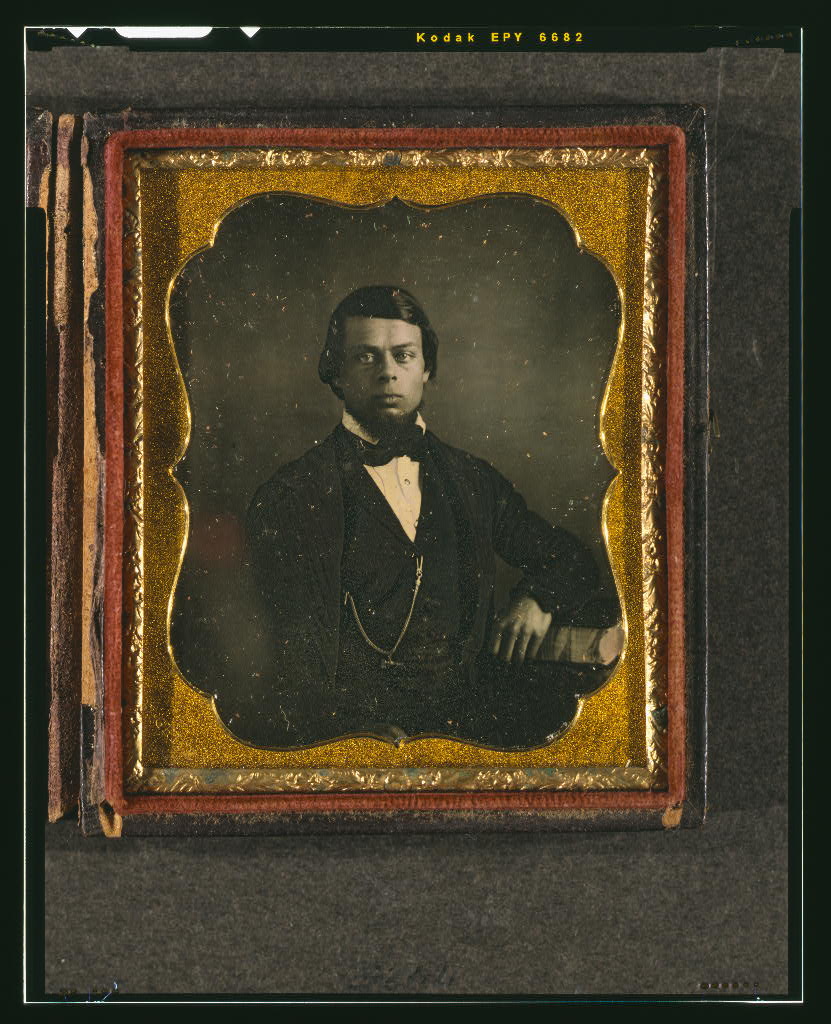
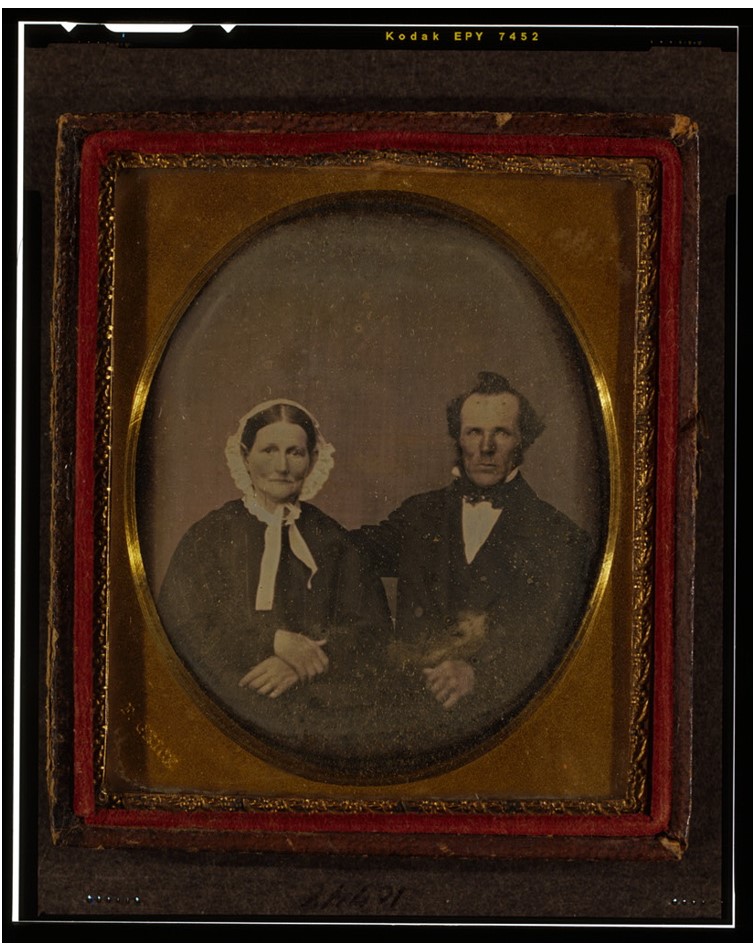
Of the 51 images returned from a search for the word “Grice” in the LOC Daguerreotype Collection, 27 depict an adult male either alone (21) or with a woman(6). This small sample size of 27 presents both some protections from the pitfalls of apophenia and some susceptibilities.
The Grice 27 images seem to have been made with the same technique, probably with the same camera/lens and very similar if not a single “batch” of plates. Lighting was ambient indoors and thus variable depending on weather, time of day, etc. Lenses (originally mirrors) needed to have wide apertures which limited the depth of field that was in focus and introduced distortions.
Fifteen of the 27 images were made on 82 x 70 mm (sixth plate format), silvered copper. However, two images (#1524 & 1382) were 140 x 104 mm (half plate format). Three images were in quarter plate format. Six images were 65 x 50 mm (ninth plate format). The larger plates produced better images.
Bromide vapors were introduced that increased light sensitivity and reduced exposure time. Lenses also improved. So, the task of matching the ~1844 identity of a subject based on images gathered a decade or more later is confounded by differing perspectives/poses, improvements in technique, and the aging of the subjects.
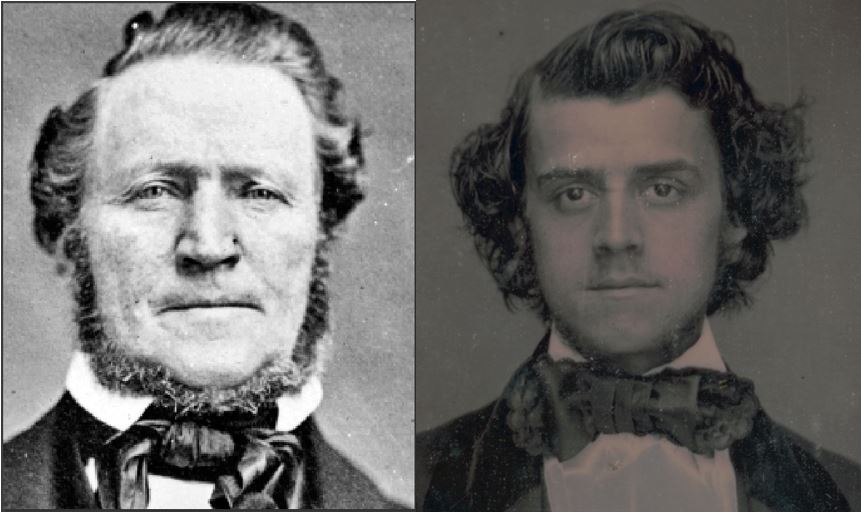
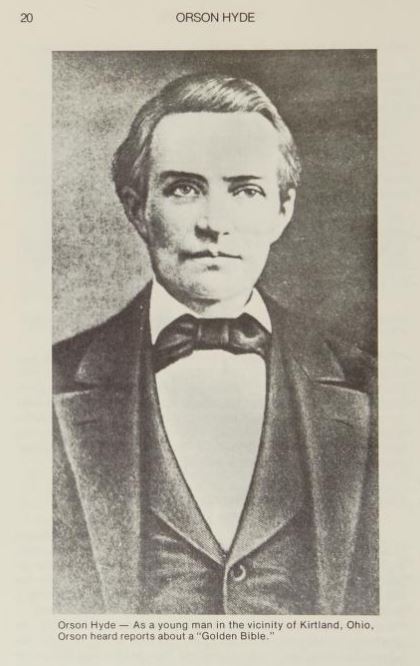
Orson Hyde (1807-1878) was 37 years old in 1844 which seems consistent with his appearance in Daguerreotype #1381. A much heavier Orson Hyde is depicted in the image on the right.
Some will quickly point to the absence of the chin cleft in the gaunt youthful picture. However, Orson had been seriously ill for much of 1839 with “fever and ague” – i.e., malaria, which was endemic in the swamps of Nauvoo. He was emaciated and unable to travel. Howard Barron included a sketch of Hyde dated ca1839 on page 20 of his 1977 biography. He credited Prof. Lamar C. Berrett as the source of the illustrations.
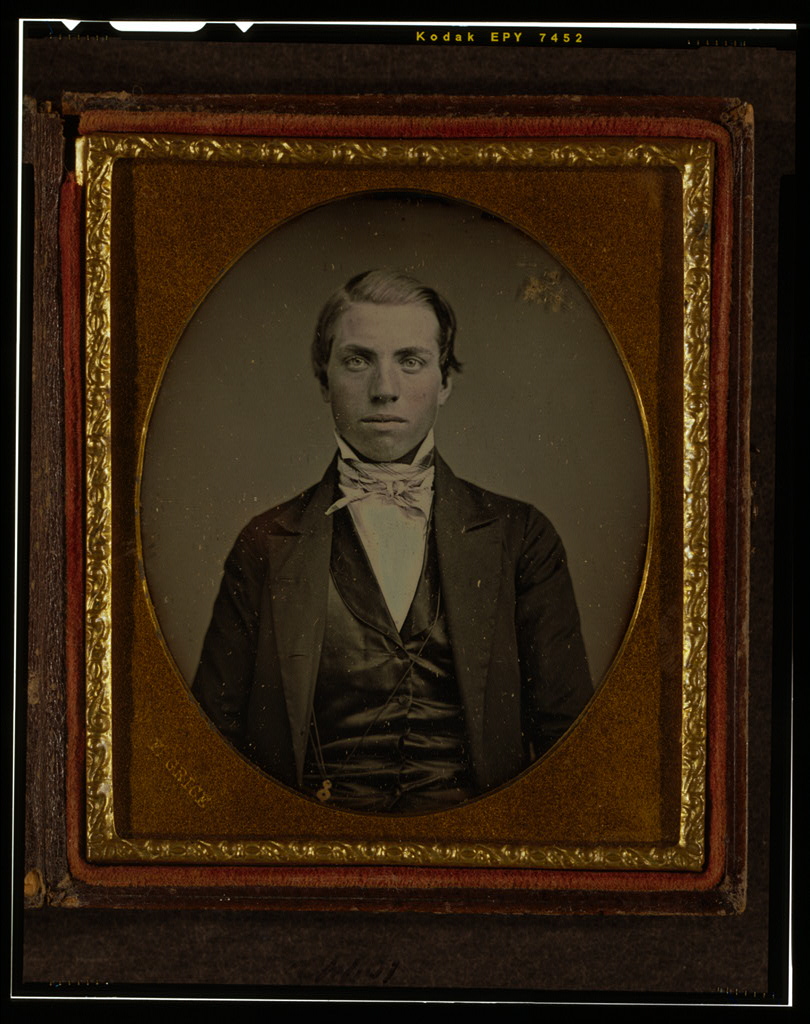
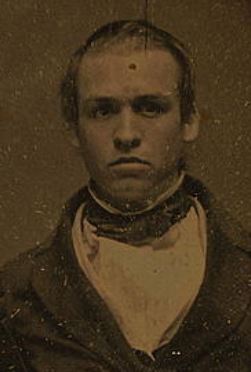
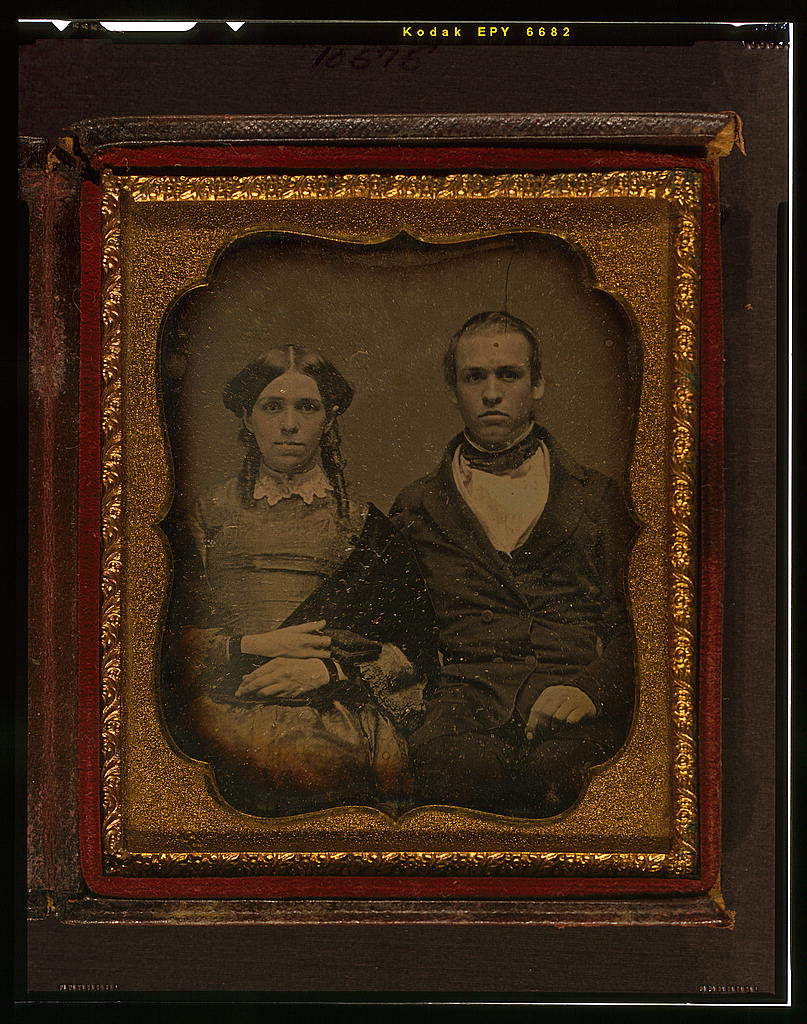
Thus far in this series identities have been proposed for the following Grice Daguerreotypes:
[1] RBN, Jr., M.D., personal communication. The informant based his statement upon Hippocrates’ dictum: “Life is short and Art long; the crisis fleeting; experience perilous, and decision difficult.”


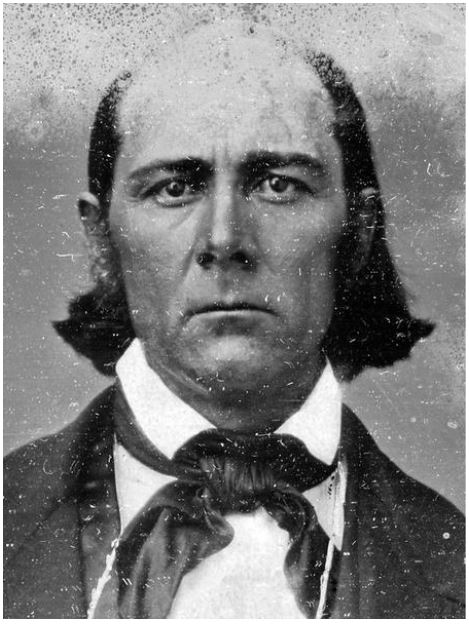
Born in Campbell County, Kentucky, Charles Coulson Rich (1809-1883) with his parents crossed the Ohio River into Dearborn County, Indiana, in 1810. Such migrations were common and often precipitated by the fact that land titles in Kentucky were notoriously fragile and by the fact that Kentucky was a slave state. Charles Coulson Rich – Biography (josephsmithpapers.org) Rich was a schoolteacher, a cooper, and a farmer who became enthralled with the Book of Mormon.
In April 1844 Rich was called to Preside over the 16 missionaries assigned to assist Joseph Smith’s presidential campaign and preach the gospel in Michigan. (History journal of the Church, April 15, 1844, p.2) Thus he, like so many other Nauvoo Mormon leaders, was not home during the fateful spring of 1844. Rich returned to Nauvoo in July 1844. Charles Coulson Rich | Church History Biographical Database (churchofjesuschrist.org)
Charles Rich went on to be an energetic stalwart of the Mormon Church who, among other things, founded the Mormon community in San Bernadino, California.
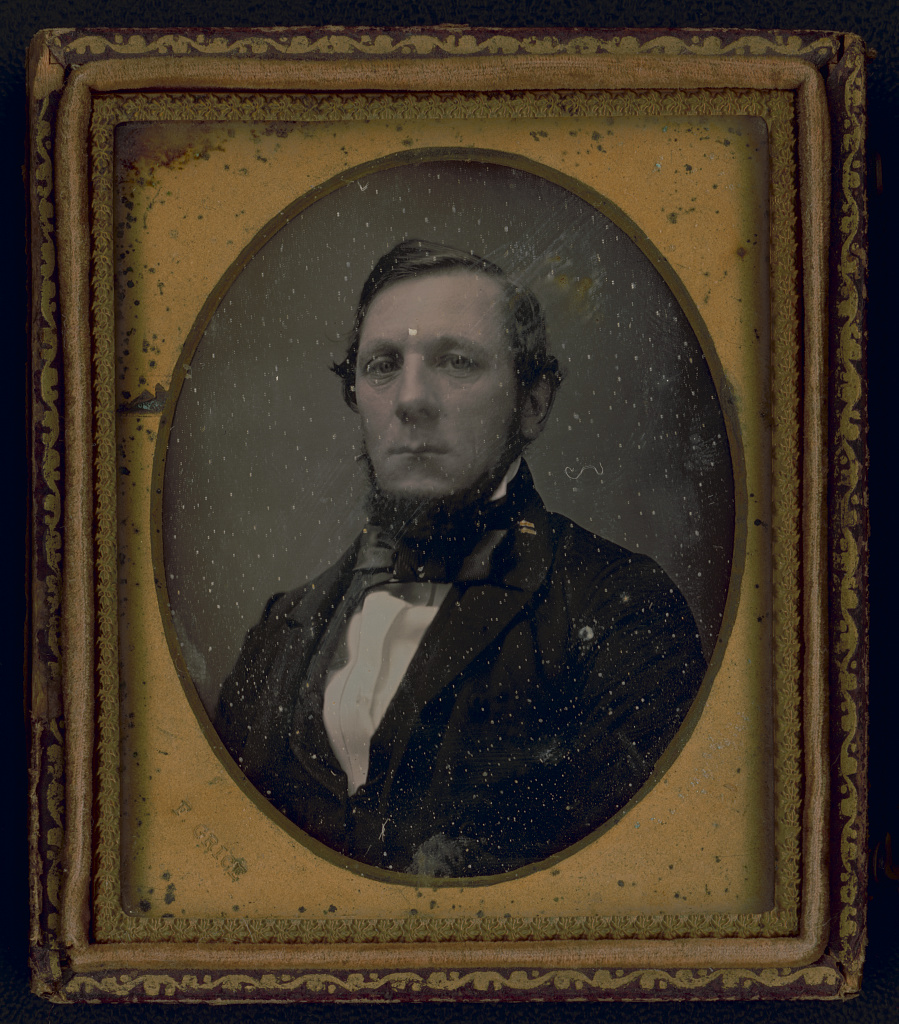

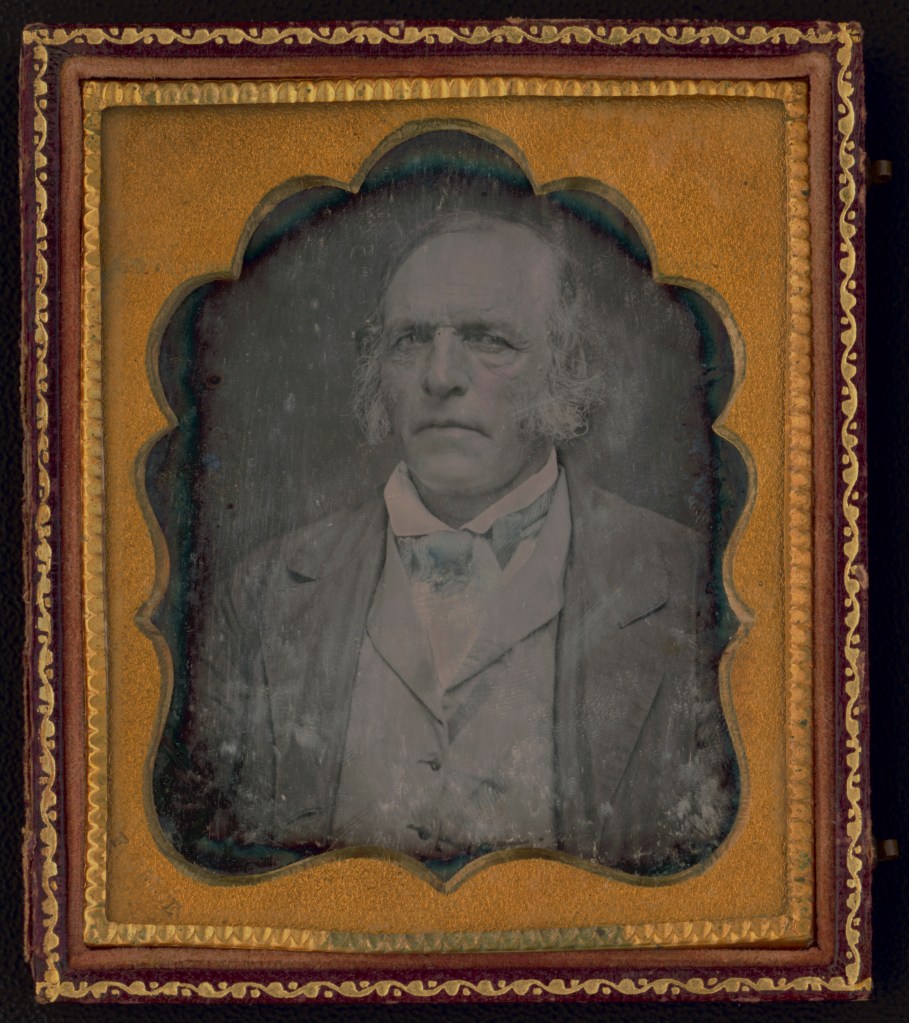

William Law was a merchant, a miller, and a physician who came to Nauvoo as part of the Toronto contingent after a missionary visit to Canada by John Tayor. Law was born in County Tyrone, Ireland, and came to America with his parents when only nine years old, settling in Pennsylvania. He practiced medicine for about sixty years, forty-five years of which were spent on his farm near Apple River (Illinois) and in nearby Shullsburg Wisconsin.
Law served as a counselor in First Presidency, 1841–1844, in Nauvoo. He was appointed aide-de-camp to the lieutenant general in the Nauvoo Legion in March 1841. Law, like Lucian Foster and Francis Grice, was a Mason, a member of the Nauvoo Masonic Lodge. Law could not abide Smith’s polygamy doctrine that was becoming more open. He was excommunicated from the Church on 18 Apr. 1844, in Nauvoo. This date coincides closely with the arrival in Nauvoo of Lucian Foster and Francis Grice.
Wiliam Law and his brother Wilson and a few other dissenters bought a printing press and issued the first edition of the Nauvoo Expositor on 7 June 1844. In it, William published an affidavit:
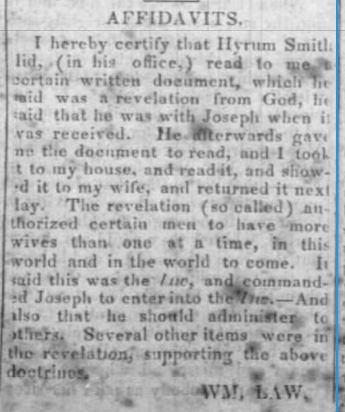
Palmer, Grant H. “Why William and Jane Law Left the LDS Church in 1844.” The John Whitmer Historical Association Journal 32, no. 2 (2012): 43–51. http://www.jstor.org/stable/43201313.
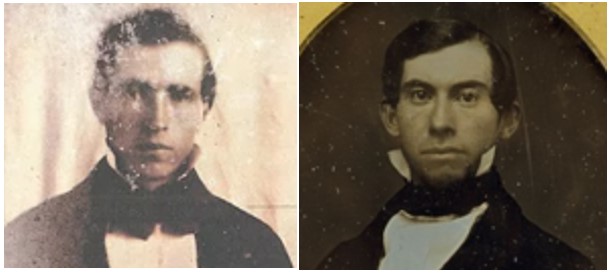
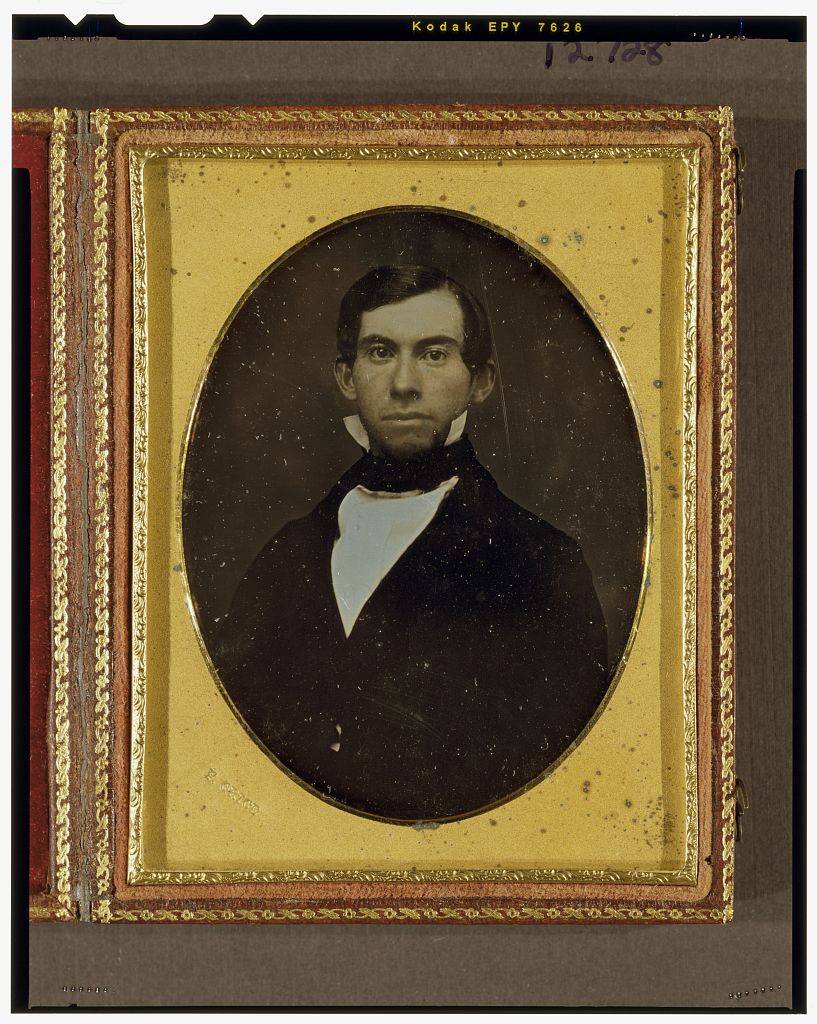
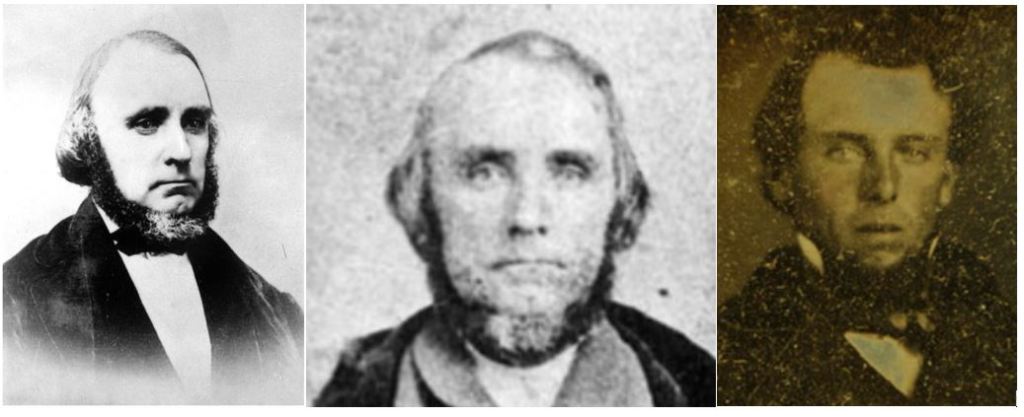
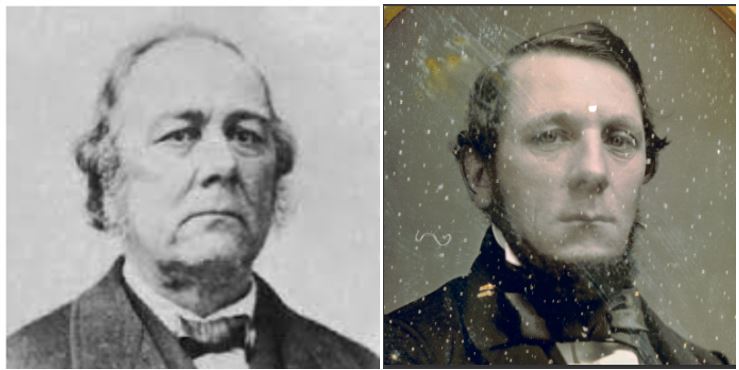
If the man depicted in the Grice Daguerreotype is William Law (and the hairlines, furrowed brows, facial shapes, whiskers, and eyebrows seem to match when comparing the Grice and the “Doctrines” images), the Grice image cannot be from the early 1840s. Law was only 35 years old in 1844.
None of the Library of Congress descriptions of the Daguerreotypes that bear the debossed “F. Grice” in the left lower corner of the brass surround contain provenance beyond naming the persons (Barboza or Maillet) from whom they were purchased. This is a huge obstacle to those seeking to identify subjects. And the debossed name on the brass surround does not necessarily identify the individual who opened the shutter of the Dageurrean camera for 2-3 minutes. On the other hand, a provenance assembled retrospectively based on oral traditions is only as strong as its weakest link.
This is an example where too many pieces of circumstantial evidence do not fit in the William Law puzzle. The debossed “F. Grice” is unmistakable in the brass surround. The left image looks like a daguerreotype, but the right image does not. After about 1855 Daguerreotypes gave way to tintypes and albumin prints. Trying to match images to the accurate identities of their subjects is not a scientific process, though often those who make the attempt fall into Lord Kelvin’s famous dictum: “When you can measure what you are speaking about, and express it in numbers, you know something about it.” — William Thomson Kelvin. The informal “Curse of Kelvin” holds: “If you cannot measure it, measure it anyway.” Precision does not guarantee accuracy.
The older gentleman depicted in the left image above is not Dr. William Law in the early 1840’s.
 Rod's Ramblings and Ruminations


